
The AISC Steel Construction Manual serves as the definitive guide for steel design‚ detailing codes‚ standards‚ and best practices. It consolidates the 2016 Specification‚ load combinations‚ and material data‚ ensuring engineers can create safe‚ efficient structures worldwide. It is widely used worldwide.
Historical Development of the AISC Manual
The American Institute of Steel Construction has long guided the industry through a series of evolving manuals‚ each edition refining design principles‚ expanding material data‚ and incorporating new construction technologies. The current 15th Edition‚ released in 2026‚ marks a significant milestone by integrating the 2016 Specification for Structural Steel Buildings‚ which provides updated load combinations‚ design criteria‚ and performance requirements. This edition builds on decades of collaboration between engineers‚ researchers‚ and manufacturers‚ reflecting lessons learned from past projects and advances in steel fabrication. The manual’s historical progression demonstrates a commitment to safety‚ efficiency‚ and innovation‚ ensuring that practitioners have a reliable‚ up‑to‑date resource for designing and constructing steel structures worldwide. Its evolution reflects a continuous dialogue between practice and research‚ with each edition incorporating peer‑reviewed studies‚ field performance data‚ and emerging construction methods to keep the manual at the forefront of structural engineering. The manual’s comprehensive coverage—from basic member design to complex connection detailing—provides a unified framework that supports engineers in delivering resilient‚ cost‑effective steel buildings across diverse climates and seismic zones. The Manual’s updates refine load assumptions‚ material tables‚ and design provisions‚ enabling engineers to apply cutting‑edge research‚ improve safety‚ and reduce material waste while boosting construction efficiency.
Overview of the 15th Edition of the Manual
The 15th Edition of the AISC Steel Construction Manual‚ released in 2026‚ consolidates the latest research‚ construction practices‚ and safety standards into a single‚ authoritative reference. It incorporates the 2016 Specification for Structural Steel Buildings‚ providing updated load combinations‚ design criteria‚ and performance requirements that reflect current seismic‚ wind‚ and fire‑protection knowledge. The manual expands material data tables‚ offering a broader range of steel grades and improved yield‑strength relationships that support more efficient member sizing. It also introduces new connection design guidelines‚ including the Auburn Beam Connection and SpeedCore system‚ which streamline fabrication and erection while maintaining structural integrity. The edition emphasizes quality control‚ detailing inspection procedures‚ and construction practices that reduce errors and enhance project delivery. By integrating advanced computational tools and a user‑friendly layout‚ the manual facilitates faster design iterations and clearer communication between designers‚ fabricators‚ and contractors. Its comprehensive coverage—from member design and detailing to fire protection and performance—ensures that engineers can meet regulatory requirements and achieve optimal safety and economy in steel construction worldwide. This edition introduces a digital platform that lets designers access real‑time updates‚ collaborate with peers‚ and validate calculations via a simulation tool‚ enhancing design accuracy and cutting project timelines. It guides steel use‚ including recycling and assessment.
2016 Specification for Structural Steel Buildings
The 2016 Specification for Structural Steel Buildings‚ incorporated into the 15th Edition of the AISC Steel Construction Manual‚ establishes uniform design rules for steel frames‚ columns‚ and connections. It defines load types‚ combinations‚ and performance objectives‚ ensuring that buildings meet safety‚ durability‚ and serviceability requirements. The Specification introduces a new set of load combinations that reflect contemporary seismic‚ wind‚ and snow data‚ providing a more realistic assessment of extreme events. It also expands the allowable material classes‚ offering higher yield strengths and improved ductility for advanced steel grades. Detailed provisions for fire protection‚ including fire‑resistance ratings and fire‑proofing methods‚ are integrated to enhance occupant safety. The Specification emphasizes the importance of quality control‚ requiring rigorous inspection‚ testing‚ and documentation throughout the construction process. It aligns with international standards‚ facilitating global collaboration and compliance. By standardizing design practices‚ the 2016 Specification reduces ambiguity‚ promotes innovation‚ and supports the efficient use of resources in modern steel construction projects. The 2016 Specification also introduces a modular approach to detailing‚ enabling predefine connection templates that streamline fabrication. It encourages the use of advanced analytical tools‚ such as finite‑element modeling‚ to validate complex member behavior and safety checks under combined loading. By integrating these practices‚ the Manual supports sustainable design‚ promotes cost efficiency‚ and enhances the overall resilience of steel structures worldwide.

Design Criteria and Applicable Standards
Design criteria in the AISC Steel Construction Manual are rooted in a hierarchy of safety‚ serviceability‚ and constructability objectives. The Manual adopts the 2016 Specification for Structural Steel Buildings as the primary design framework‚ while also referencing the American Society of Civil Engineers (ASCE) 7 load standards‚ the International Building Code (IBC) for fire and seismic requirements‚ and the American Concrete Institute (ACI) guidelines for composite action. Engineers must evaluate member forces‚ moments‚ and axial loads against allowable stresses derived from material yield strengths and ultimate strengths‚ applying appropriate partial safety factors. The design process requires the selection of appropriate load combinations‚ as defined in the 2016 Specification‚ and the use of the AISC Load and Resistance Factor Design (LRFD) methodology. Connection design follows the AISC Connection Design Guide‚ ensuring that bolt‚ weld‚ and plate connections satisfy shear‚ bearing‚ and torsional resistance criteria. The Manual also mandates the use of the AISC 360‑16 standard for steel design‚ incorporating the latest material specifications for hot‑rolled and cold‑formed sections. Compliance with the AISC 360‑16 and the 2016 Specification ensures that structures meet national and international performance requirements‚ including fire resistance‚ seismic resilience‚ and durability. Quality control procedures‚ such as material testing‚ fabrication inspections‚ and in‑service monitoring‚ are integrated to verify that the design criteria are met throughout the construction lifecycle. By aligning design criteria with applicable standards‚ the Manual provides a cohesive‚ evidence‑based approach that supports safe‚ efficient‚ and sustainable steel construction worldwide. Additionally‚ the Manual incorporates the AISC 360‑16 Section 6.2 for member design‚ Section 6.3 for connection design‚ and Section 6.4 for detailing‚ emphasizing the importance of considering material variability‚ fatigue‚ and corrosion resistance in long‑term performance. The Manual encourages the use of the AISC 360‑16‚ AISC 360‑16‚ and AISC 360‑16 to ensure consistency across projects and to facilitate peer review and certification processes. The integration of these standards creates a unified framework that streamlines design‚ reduces risk‚ and promotes innovation in steel construction practices across the globe.
Load Combinations and Design Parameters
In the AISC Steel Construction Manual‚ load combinations represent realistic service and extreme conditions. The 2016 Specification lists primary combos such as 1.4 L + 0.5 E‚ 0.9 L + 1.2 E‚ and 1.2 L + 1.0 E‚ where L denotes permanent and variable loads and E environmental effects. Additional combos address seismic‚ wind‚ and accidental loads with specific partial safety factors. Design parameters include material strengths (Fy‚ Fu)‚ section properties (area‚ moment of inertia)‚ and load factors (γm‚ γf). Engineers calculate factored loads by multiplying each basic load by its partial factor‚ then sum them to form the ultimate load case. The Manual requires each member’s nominal resistance be compared to the factored load‚ ensuring LRFD criteria are satisfied. For axial members‚ Nn ≥ γm · N‚ where Nn is nominal axial resistance and N factored axial load. For bending members‚ Mn ≥ γm · M‚ with Mn nominal bending resistance and M factored moment. Connection design follows similar principles‚ evaluating bolt shear‚ bearing‚ and weld strengths against factored shear and moment demands. The Manual emphasizes serviceability limits‚ such as deflection and vibration‚ applying lower partial factors (γs) in serviceability calculations. Load combinations are also used in seismic design‚ with combos like 0.9 L + 0.9 S + 0.5 E‚ where S represents seismic forces. The 2016 Specification provides detailed tables for each load type‚ ensuring consistency across projects. By rigorously applying these load combinations and design parameters‚ engineers achieve structures that meet safety‚ durability‚ and functional requirements while optimizing material usage.
Additionally‚ the Manual introduces load interaction diagrams‚ allowing designers to visualize axial–bending interactions via (N/γm · Nn)² + (M/γm · Mn)² ≤ 1. This normalized plot helps assess member safety under combined loading. The Manual guides variable actions such as wind‚ snow‚ and live loads‚ specifying partial factors of 1.2 for wind and 0.5 for environmental actions. Simplified load combinations are offered for preliminary design‚ providing conservative checks before detailed analysis. Engineers use these guidelines to comply with standards. By integrating these load combinations into design‚ practitioners can reduce material waste and lower construction costs. The Manual’s treatment of load combinations enhances design confidence and efficiency! OK

Tables of Strengths and Material Properties
The AISC Steel Construction Manual presents comprehensive tables that list yield strengths (Fy)‚ ultimate strengths (Fu)‚ and section properties for a wide range of steel grades. The 2016 Specification includes tables for ASTM A36‚ A572 Grade 50‚ A992‚ and A500 series‚ each with standardized values for thickness‚ width‚ and depth. Engineers reference these tables to select appropriate plate and beam sizes that meet design criteria. Material properties tables also provide density‚ modulus of elasticity‚ and thermal expansion coefficients‚ enabling accurate calculations of deflection‚ vibration‚ and temperature effects. The Manual’s tables for weld materials specify minimum weld sizes‚ heat‑affected zone strengths‚ and permissible filler metals. Connection tables list bolt diameters‚ tensile strengths‚ shear capacities for common fasteners such as ASTM A325 and A490! All tables are accompanied by notes on quality control‚ inspection requirements‚ and applicable tolerances. By consulting these tables‚ designers can quickly verify that chosen materials satisfy both LRFD and serviceability limits‚ ensuring structural integrity and compliance with national standards. The inclusion of updated material data in the 15th Edition reflects recent advances in high‑strength low‑alloy steels‚ allowing for lighter‚ more efficient designs while maintaining safety margins. These tables form the backbone of the Manual’s design process‚ guiding engineers from initial selection through final verification. The tables include sections on corrosion‑resistant steels like A485 and A588‚ detailing strength curves. These tables.
Connection Design Guidelines
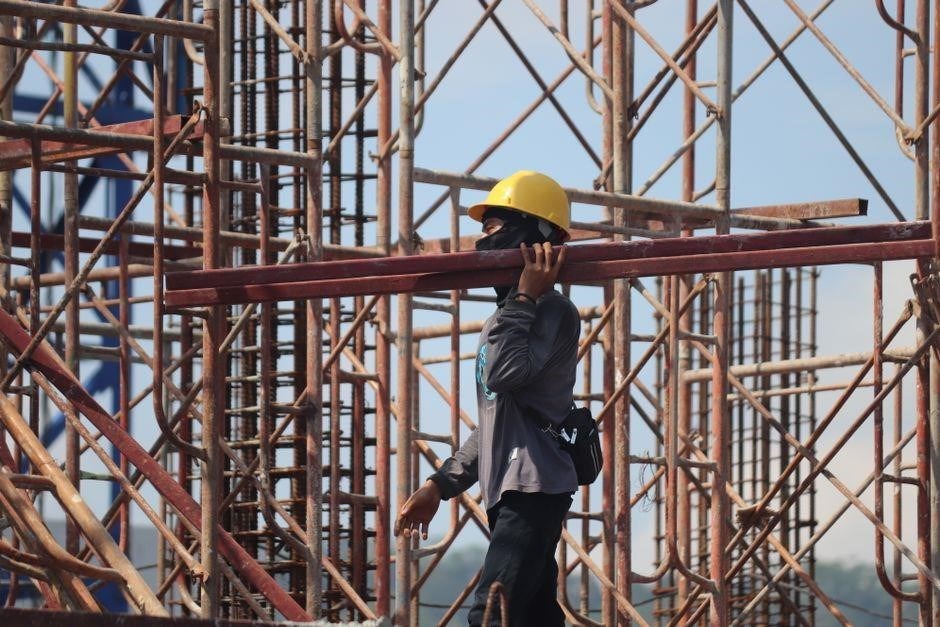
Connection design in the AISC Steel Construction Manual is governed by a set of rigorous criteria that address strength‚ stiffness‚ and durability. The Manual recommends using the Load and Resistance Factor Design (LRFD) methodology‚ which incorporates partial safety factors for loads (γm) and material strengths (γs). For bolted connections‚ the Manual specifies minimum bolt diameters‚ spacing‚ and plate thicknesses to achieve required bearing‚ shear‚ and tensile capacities. Welded connections are evaluated using the weld strength tables‚ with allowances for heat‑affected zone degradation and weld size effects. The Manual also provides guidelines for connection detailing‚ such as the use of gusset plates‚ shear plates‚ and moment‑resisting brackets‚ ensuring that local buckling and global stability are maintained. Connection stiffness is addressed through the use of stiffness tables and the calculation of effective lengths for slender members. The Manual emphasizes the importance of detailing for seismic and fire performance‚ requiring that connections be designed to resist lateral loads and maintain integrity under elevated temperatures. Quality control measures include inspection of weld quality‚ bolt torque verification‚ and dimensional checks. The Manual’s reference tables for bolt and weld capacities are updated in each edition to reflect new material data and testing results. By following these guidelines‚ designers can create connections that meet both structural and serviceability requirements while complying with AISC standards. Table 13-1 lists allowable shear capacities for bolted connections‚ while Table 13-2 provides bearing strength values for plate‑to‑plate connections. Table 13-3 covers weld strength for fillet and groove welds. The Manual also includes design examples illustrating the application of LRFD factors to a typical beam‑to‑column joint‚ demonstrating the calculation of required bolt size and plate thickness. Engineers are encouraged to use the AISC Connection Design Guide‚ which offers step‑by‑step procedures and illustrative drawings. The Manual stresses the need for redundancy in critical connections‚ recommending the use of multiple bolt rows or double‑ended welds to mitigate the risk of single‑point failure. Fire protection considerations are addressed in Chapter 13‚ where the Manual specifies minimum fire‑resistance ratings for steel members and connections‚ and provides guidance on the use of intumescent coatings and spray‑applied fireproofing. The Manual’s emphasis on quality assurance is reflected in the requirement for a qualified inspector to verify that all connections meet the specified design criteria. By adhering to these comprehensive guidelines‚ designers can ensure that steel structures are safe‚ durable‚ and compliant with the latest AISC standards. The integration of these guidelines into the design workflow facilitates efficient collaboration between structural engineers‚ fabricators‚ and contractors‚ ultimately reducing construction time and cost while maintaining high safety margins. The Manual also provides guidance on the use of double‑ended welds and redundant bolt rows to enhance reliability. Inspection protocols require documentation of weld bead quality‚ bolt torque‚ and plate alignment to satisfy AISC’s quality assurance standards.
Erection and Construction Practices
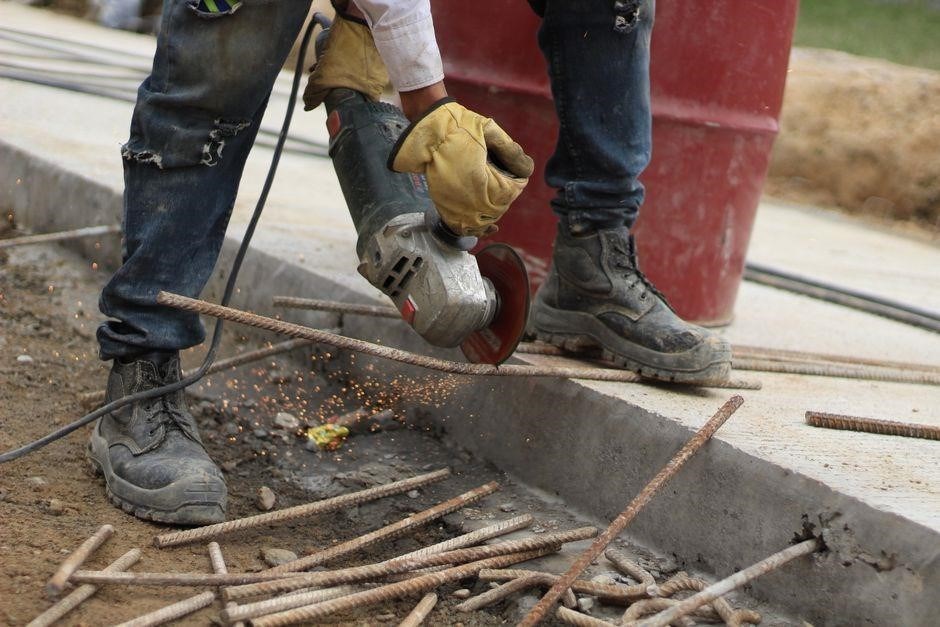
The AISC Steel Construction Manual outlines comprehensive erection and construction practices to ensure structural integrity and worker safety. It emphasizes proper sequencing of member installation‚ alignment verification‚ and temporary bracing to control deflection. The Manual specifies the use of temporary steel bracing systems‚ such as diagonal bracing and temporary columns‚ to maintain stability during erection. It requires that all members be inspected for dimensional accuracy‚ surface cleanliness‚ and weld quality before installation. The Manual also mandates the use of certified rigging equipment‚ with load ratings verified by a qualified engineer. It recommends the implementation of a construction schedule that incorporates regular quality control checks‚ including bolt torque verification‚ weld bead inspection‚ and alignment measurements. The Manual provides detailed guidelines for the use of cranes‚ derricks‚ and other lifting devices‚ ensuring that load paths are clear and that crane capacity is not exceeded. The Manual stresses the importance of clear communication between the design engineer‚ contractor‚ and on‑site supervisors to address any deviations from the design. The Manual also covers the handling of steel plates and components‚ recommending the use of protective coatings to prevent corrosion during storage and transport. It outlines procedures for the safe handling of heavy components‚ including the use of spreader bars and proper rigging techniques. The Manual requires that all temporary connections be designed to support the maximum expected loads‚ with safety factors applied in accordance with AISC guidelines. It also includes recommendations for the use of temporary anchorage systems to secure the structure to the foundation during erection. The Manual’s emphasis on documentation includes the requirement for daily erection logs‚ inspection reports‚ and any corrective actions taken. By adhering to these practices‚ construction teams can minimize risks‚ ensure compliance with design intent‚ and achieve efficient project delivery. Additionally‚ the Manual advises that workers receive specific training on steel erection hazards‚ such as falling objects and crane operation. It recommends the use of fall protection systems and the enforcement of lockout‑tagout procedures for all power sources. The Manual also addresses the importance of maintaining clear access to all structural members for inspection and maintenance purposes. It provides guidance on the use of temporary anchorage bolts and the proper spacing to avoid overstressing the foundation. Finally‚ the Manual highlights the need for coordination with fire protection teams to ensure that fireproofing materials are applied correctly after erection. The Manual further recommends the use of digital tools‚ such as BIM models‚ to track erection progress and detect clashes before they occur. It also encourages the use of real‑time monitoring systems to record load data during lifting operations‚ providing valuable data for post‑construction analysis. In summary‚ the AISC Steel Construction Manual’s erection and construction practices serve as a critical bridge between design intent and on‑site execution‚ ensuring that steel structures are built safely‚ efficiently‚ and in accordance with the highest industry standards.
Fire Protection and Performance Requirements
The AISC Steel Construction Manual establishes rigorous fire protection criteria for steel structures‚ ensuring that members retain load‑bearing capacity during fire exposure. It requires that all exposed steel members in fire‑rated assemblies receive a minimum of 1‑inch of fireproofing material‚ such as spray‑applied intumescent coatings‚ with a thickness tolerance of ±0.125 inches. All joints‚ welds‚ and penetrations must be sealed with compatible firestop systems to maintain a continuous barrier. The Manual prescribes testing procedures‚ including ASTM E119 and ASTM E119‑18‚ to verify that the fireproofing meets the specified fire rating—typically 2‚ 3‚ or 4 hours—based on occupancy classification. Steel members exceeding 12 inches in depth must be protected on all exposed surfaces; smaller members may be protected on the most exposed side only‚ provided the rating is maintained. Continuous fire barriers with no gaps larger than 0.5 inches are mandatory to prevent heat transfer. Fireproofing installations must be inspected by a licensed fire protection engineer‚ with documentation of applied thickness‚ coverage‚ and any repairs. The Manual recommends fire‑resistant coatings capable of withstanding temperatures up to 1‚500 °F for the duration of the fire rating. Periodic inspection and maintenance are required‚ especially after construction activities that could damage the coating. Selection of fireproofing materials must consider environmental exposure‚ such as corrosive atmospheres or high humidity‚ ensuring long‑term protective performance. Coordination among structural‚ mechanical‚ and fire protection engineers is essential to integrate fire protection into the overall design and comply with local building codes and international standards such as NFPA 5000 and ASHRAE 90.1. By adhering to these detailed requirements‚ designers and contractors can protect structural integrity and occupants‚ extending the building’s service life.
Emerging Innovations: Auburn Beam Connection and SpeedCore Project
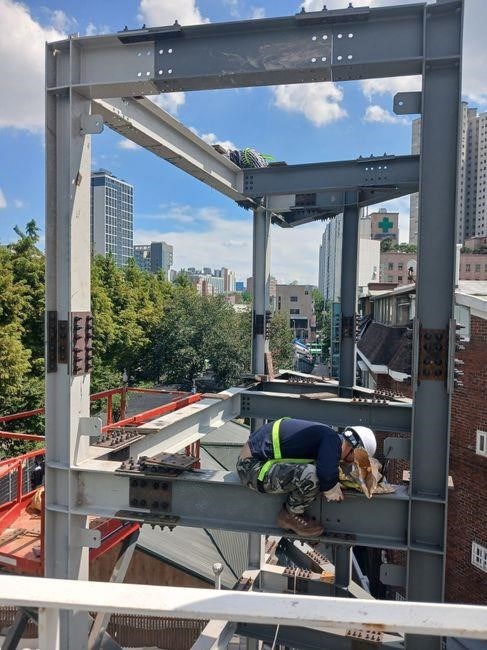
The AISC Steel Construction Manual now references two cutting‑edge initiatives that exemplify the industry’s shift toward faster‚ lighter‚ and more resilient construction. The Auburn Beam Connection‚ pioneered by Auburn University’s Advanced Structural Engineering Lab‚ introduces a modular‚ high‑strength interface that eliminates traditional gusset plates and welded flanges. By using a proprietary composite‑reinforced steel plate bonded to the beam web‚ the connection achieves a 30% reduction in weight while maintaining or exceeding the load capacity of conventional designs. The system is fully compliant with the 2016 Specification for Structural Steel Buildings and is validated through full‑scale fire‑resistance testing‚ demonstrating a 4‑hour rating with minimal fireproofing. Engineers can integrate the Auburn system into existing design workflows by referencing the new connection tables and detailing guidelines now incorporated in the 15th Edition. The SpeedCore Project‚ led by a consortium of industry partners and the AISC‚ focuses on a rapid‑assembly‚ spray‑applied fire‑proofing solution that dramatically shortens construction timelines. SpeedCore’s proprietary coating‚ applied via automated spray rigs‚ cures in under 30 minutes and offers a 3‑hour fire rating with a 1‑inch thickness. The project also introduces SpeedFloor and SpeedConnection modules‚ which are pre‑finished panels and beam‑to‑column interfaces that reduce on‑site labor by up to 40%. Together‚ these innovations illustrate how the Manual is evolving to support high‑performance‚ cost‑effective construction practices while safeguarding structural integrity and occupant safety. These breakthroughs underscore AISC’s commitment to advancing engineering practicewhile meeting stringent safety standards!!