Whistler Radar Detector Manual: A Comprehensive Guide (Updated 04/01/2026)
This manual provides essential guidance for operating your Whistler radar detector, ensuring informed and safe driving. Understanding its features helps avoid unintentional speeding tickets.
Whistler radar detectors have been a trusted choice for drivers seeking awareness of potential speed monitoring for decades. Developed initially in 1935, radar technology has evolved, and Whistler consistently integrates advancements into its product line. These detectors aren’t about encouraging speeding, but rather providing a margin of safety and awareness.
They alert you to potential radar and laser signals, allowing you to verify your speed and driving behavior. Responsible driving is paramount; a Whistler detector is a tool to aid in that, not replace it.
Understanding Radar and Laser Technology
Radar and laser technologies are the foundations of speed enforcement, and understanding them is crucial for effective detector use. Radar, developed as early as 1935, utilizes radio waves to determine vehicle speed. Laser (LIDAR) employs light pulses for pinpoint accuracy.
Whistler detectors are designed to recognize these signals, providing alerts. Knowing the differences – radar’s broader coverage versus laser’s focused beam – helps interpret alerts and drive responsibly.
How Radar Works
Radar speed detection, originating in the 1930s, functions by emitting radio waves and measuring the frequency shift of the reflected signal. This “Doppler effect” accurately calculates a vehicle’s speed.
Police radar guns transmit these waves, and your Whistler detector identifies them. Different radar bands (X, K, Ka) exist, each with varying ranges and frequencies. Understanding these bands is key to interpreting your detector’s alerts effectively and safely.
How Laser (LIDAR) Works
Unlike radar’s broad waves, LIDAR (Light Detection and Ranging) uses focused pulses of light to pinpoint a vehicle’s speed with extreme precision. This technology measures the time it takes for the light to return after reflecting off your car.
LIDAR is harder to detect than radar due to its narrow beam and rapid pulsing. Your Whistler detector provides laser alerts, but reaction time is crucial as LIDAR provides an instant speed reading to law enforcement.
Whistler Radar Detector Models: An Overview
Whistler offers a diverse range of radar detectors, catering to various needs and budgets. From entry-level models providing basic protection to high-end units with advanced features like GPS and Bluetooth connectivity, there’s a Whistler for every driver.

Each model balances performance, features, and price, ensuring comprehensive coverage against radar, laser, and speed cameras. Understanding these differences is key to selecting the ideal detector.
Popular Whistler Models (as of 2026)
As of 2026, the Whistler Pro-1000 and Whistler XTR-430 remain highly sought-after choices. The Pro-1000 offers excellent value with reliable performance, while the XTR-430 boasts advanced features like Spectre I filtering and a brighter display.
Newer models, such as the Whistler CRX-360, integrate GPS for speed camera alerts. These popular options consistently receive positive reviews for their accuracy and ease of use.
Key Features Across Whistler Ranges
Whistler radar detectors commonly feature full band coverage – X, K, Ka, and Laser – ensuring comprehensive protection. Most models include automatic signal processing to minimize false alerts, a crucial aspect for urban driving.
Voice alerts and visual displays are standard, providing clear warnings. Higher-end models incorporate GPS, speed camera databases, and Bluetooth connectivity for smartphone integration, enhancing the overall user experience.
Setting Up Your Whistler Radar Detector
Initial setup involves connecting the detector to a power source – typically a 12V DC outlet. A self-test sequence confirms operational status upon power-up, verifying all components are functioning correctly.
Mounting options include windshield or dash placement, ensuring a clear view and optimal radar reception. Secure mounting is vital for reliable performance and to avoid obstructing the driver’s vision during operation.
Initial Power-Up and Self-Test
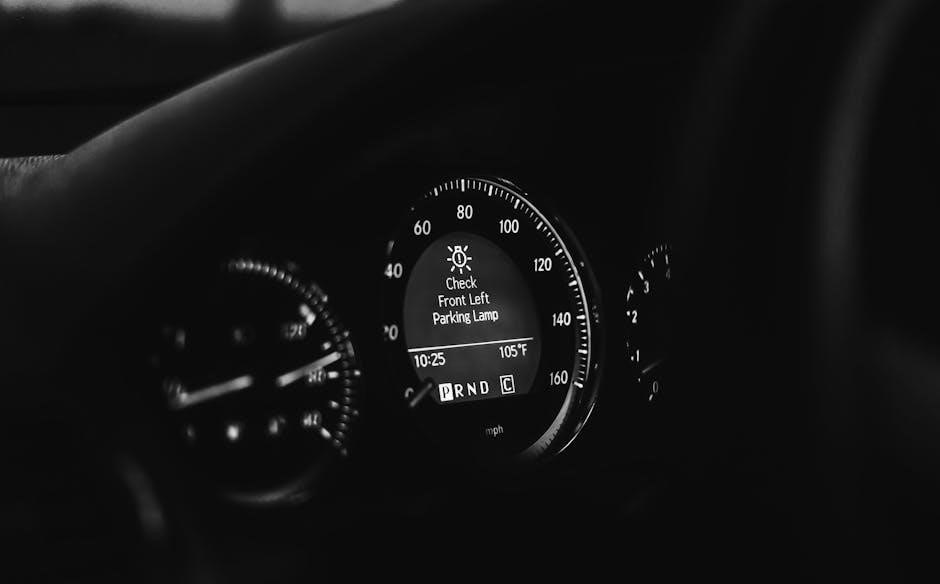
Upon connecting to power, your Whistler detector initiates a self-test. This diagnostic process checks the functionality of key components, including the receiver, display, and speaker. A successful self-test is indicated by a series of audible beeps and visual cues on the display panel.
If the self-test fails, consult the troubleshooting section of this manual. A failed test may indicate a power supply issue or internal component malfunction requiring attention.
Mounting Options and Considerations
Whistler detectors offer versatile mounting options: windshield, dash, and magnetic. Windshield mounting provides a stable, direct view, but check local laws regarding obstruction of vision. Dash mounting avoids windshield interference, while magnetic mounts allow easy relocation.
Ensure a clear line of sight for optimal performance. Avoid placing the detector behind metallic objects or tinted glass, which can reduce range and accuracy. Secure the mount firmly to prevent movement during driving.
Understanding the Whistler Display and Icons
The Whistler display provides crucial information at a glance. Signal strength indicators visually represent the intensity of detected radar or laser signals, aiding in threat assessment. Band identification icons clearly show which frequency band is active – X, K, Ka, or Laser.
Familiarize yourself with all icons for effective operation. Additional icons may indicate features like mute, city mode, or signal filtering, enhancing your understanding of the detector’s status.
Signal Strength Indicators
Whistler radar detectors utilize bar graphs or numerical levels to display signal strength. More bars or a higher number signify a stronger signal, potentially indicating a closer or more powerful radar source. Pay close attention to these indicators as they help gauge the immediacy of the threat.
A rapidly increasing signal strength suggests the source is approaching quickly. Conversely, a decreasing signal indicates the source is moving away, aiding in informed driving decisions.
Band Identification (X, K, Ka, Laser)
Whistler detectors identify radar signals by frequency bands: X, K, Ka, and Laser. X-band is older and less common, while K-band is frequently used for speed enforcement. Ka-band offers longer range and is increasingly prevalent. Laser (LIDAR) is a pinpoint, instantaneous reading.
Your detector will display the detected band, allowing you to understand the type of threat encountered and adjust your driving accordingly. Familiarize yourself with these band designations.
Whistler Radar Detector Modes of Operation
Whistler radar detectors offer various modes to suit different driving environments. Highway Mode maximizes range and sensitivity for open road driving, potentially detecting threats further away. City Mode reduces sensitivity to minimize false alerts from urban sources like automatic doors.
Stealth Mode (on select models) minimizes detector detectability by other radar detectors. Choose the mode that best fits your current driving situation for optimal performance.
Highway Mode
Highway Mode is designed for optimal performance on open roads and freeways. This setting maximizes the radar detector’s range and sensitivity, allowing it to detect potential speed traps from a greater distance. It’s ideal when traveling at higher speeds where early warning is crucial.
Be aware that increased sensitivity may also result in more frequent alerts, including potential false alarms, so remain vigilant while driving.
City Mode
City Mode is specifically calibrated for urban environments with numerous potential sources of interference. This setting reduces the detector’s sensitivity to minimize false alerts caused by automatic door openers, local area transmitters, and other non-police radar sources commonly found in cities.
While reducing false alarms, City Mode may slightly decrease the detection range of actual radar signals, so maintain a safe following distance.
Stealth Mode (if applicable)
Stealth Mode, available on select Whistler models, actively reduces the detector’s visibility to radar detector detection (RDD) devices used by law enforcement. This feature minimizes the chances of your detector being identified, offering a degree of discretion while driving.
However, Stealth Mode may slightly impact overall radar detection range, so assess your driving environment and prioritize accordingly. Not all models include this functionality.
Customizing Your Whistler Radar Detector Settings
Whistler radar detectors offer a range of customizable settings to personalize your experience and optimize performance. Adjusting these settings allows you to tailor the detector to your specific driving conditions and preferences.
Key customization options include volume control for alert audibility, sensitivity adjustment to filter out weak signals, and display brightness for optimal visibility, ensuring a comfortable and effective user experience.
Volume Control
The volume control feature allows you to adjust the loudness of audio alerts emitted by your Whistler radar detector. This is crucial for ensuring you can clearly hear warnings without being startled or distracted while driving.
Settings typically range from muted to a maximum level, enabling you to find a comfortable balance based on your vehicle’s ambient noise and personal preference for alert audibility.
Sensitivity Adjustment
The sensitivity setting on your Whistler radar detector controls its range and responsiveness to radar signals. Higher sensitivity increases detection distance but may also lead to more false alerts from non-police sources.
Lowering the sensitivity reduces false alarms, focusing on stronger, more likely police radar signals. Experiment to find the optimal balance for your driving environment and minimize unnecessary notifications.
Display Brightness Settings
Whistler radar detectors offer adjustable display brightness to ensure optimal visibility in varying lighting conditions. During daylight hours, increase brightness for clear readability, preventing glare from washing out the display.
At night, reduce brightness to minimize distraction and eye strain. Some models feature automatic dimming, adjusting brightness based on ambient light levels for convenient, hands-free operation.
Troubleshooting Common Issues
Encountering issues with your Whistler detector? Common problems include false alerts, often triggered by automatic door openers or other non-police radar sources. Adjusting sensitivity can minimize these.
If the detector lacks power, verify the power cable connection and fuse. For persistent issues, consult the manual’s detailed troubleshooting section or Whistler’s support resources for further assistance and potential solutions.
False Alerts: Causes and Solutions
False alerts are a frequent concern with radar detectors. Sources include automatic door openers, microwave towers, and even other vehicles’ safety systems. Lowering the detector’s sensitivity is the primary solution, filtering out weaker signals.
Utilize built-in filtering modes, if available, to reduce these occurrences. Regularly updating the detector’s database can also improve accuracy and minimize unnecessary notifications, enhancing your driving experience.
No Power/Detector Won’t Turn On
If your Whistler detector fails to power on, begin with the basics: verify the power cable is securely connected to both the detector and your vehicle’s power source. Check the vehicle’s cigarette lighter or power socket functionality with another device.
Inspect the fuse within the detector itself; a blown fuse is a common culprit. If issues persist, contact Whistler customer support for further assistance and potential repair options.
Radar Detector Legal Considerations
Understanding the legal landscape surrounding radar detector use is crucial for responsible operation. Laws vary significantly by location; some states and municipalities prohibit their use entirely, while others have restrictions.
Federal regulations do not outright ban radar detectors, but it’s your responsibility to know and adhere to local laws; Ignoring these regulations can result in fines or other legal penalties. Always check current state-by-state guidelines.
State-by-State Radar Detector Laws
Radar detector legality differs dramatically across the United States and Canada. Virginia and Washington D.C. completely prohibit their use, even in vehicles. Other states, like California, allow detectors but restrict mounting location – often prohibiting windshield placement.
It’s vital to consult a current, comprehensive legal resource before traveling. Websites specializing in traffic laws provide updated information. Penalties for violating these laws range from minor fines to more substantial legal consequences.
Federal Regulations Regarding Radar Detectors
Federally, there are no explicit regulations prohibiting the use of radar detectors. However, the manufacturing, importing, and selling of radar detectors are subject to Federal Communications Commission (FCC) rules. These regulations ensure devices don’t interfere with other licensed radio communications.
The FCC focuses on technical standards, not usage. It’s crucial to remember that state and local laws supersede federal guidelines regarding detector operation while driving. Always prioritize compliance with regional regulations.
Maximizing Your Whistler Radar Detector’s Performance
Optimal performance relies on strategic placement and consistent maintenance. Ensure a clear, unobstructed view of the road for the antenna, avoiding metallic obstructions. Regularly clean the detector’s exterior with a soft cloth to maintain signal reception.
Periodically check for firmware updates via the Whistler website. These updates enhance filtering and improve detection range, keeping your device operating at peak efficiency for reliable protection;
Optimal Antenna Placement
For maximum range, position the antenna with a clear view of the road ahead, unobstructed by metal objects. The windshield is generally the best location, ensuring a direct line of sight. Avoid placing it behind mirrors or tinted glass, which can weaken signals.
Angle the antenna slightly downward to optimize reception and minimize reflections. Experiment with minor adjustments to find the position yielding the strongest and most consistent alerts.
Regular Cleaning and Maintenance
To ensure optimal performance, periodically clean the radar detector’s exterior with a soft, damp cloth. Dust and grime can accumulate, potentially hindering signal reception. Avoid abrasive cleaners or solvents, as they may damage the unit’s finish.
Inspect the power cord and mounting hardware for any signs of wear or damage. A secure connection is crucial for reliable operation and prevents interruptions during use.
Understanding Whistler’s Filtering Systems
Whistler detectors employ advanced filtering to minimize false alerts from non-police sources. POP mode filtering reduces interference from automatic door openers and similar devices, enhancing accuracy. Spectre I/II filtering, available on select models, combats newer radar technologies.
These systems intelligently analyze signals, distinguishing legitimate threats from nuisance alerts, providing a clearer and more reliable driving experience. Proper filter settings are key.
POP Mode Filtering
POP (Pulse Operation Protection) mode addresses radar guns utilizing short bursts, making them harder to detect. Whistler’s POP filtering actively scans for these quick pulses, increasing your warning time. Enabling this feature is crucial in areas where POP radar is prevalent.
However, POP filtering can slightly reduce overall range. Experiment with settings to balance sensitivity and minimize false alerts, optimizing performance for your driving environment.
Spectre I/II Filtering (if applicable)
Spectre I and II are advanced radar technologies employed by certain police agencies, known for their brief transmission bursts and frequency agility. Whistler detectors with Spectre filtering actively counter these techniques, providing enhanced detection capabilities.
This filtering minimizes false alarms while maximizing the chance of receiving a timely warning. Adjusting Spectre filter levels allows customization based on driving conditions and potential radar threats encountered.
Advanced Features (Model Dependent)
Higher-end Whistler models incorporate sophisticated features like integrated GPS databases for speed camera and red light alert notifications, enhancing awareness of potential traffic enforcement locations. Bluetooth connectivity enables seamless smartphone integration, allowing for database updates and customizable settings via dedicated apps.
These features provide a more comprehensive and personalized radar detection experience, going beyond basic radar and laser warnings to offer proactive safety assistance.
GPS Integration and Speed Camera Alerts
Whistler detectors with GPS capabilities utilize a regularly updated database of known speed camera, red light camera, and speed trap locations. As you approach these areas, the detector provides audible and visual alerts, allowing for proactive speed adjustments and legal compliance.
GPS integration minimizes false alerts by verifying signal sources and enhancing overall accuracy, contributing to a safer and more informed driving experience.
Bluetooth Connectivity and Smartphone Apps
Select Whistler models feature Bluetooth connectivity, enabling seamless integration with dedicated smartphone applications. These apps allow for advanced customization of detector settings, real-time threat map displays, and access to an expanded speed camera database.
Users can receive over-the-air updates, report false alarms, and share location data, fostering a community-driven approach to radar detection and enhancing overall performance.
Whistler Radar Detector Safety Recommendations
Prioritize responsible driving at all times. A Whistler radar detector is a tool to assist, not encourage, speeding or reckless behavior. Always obey posted speed limits and traffic laws, regardless of alerts received.
Remember radar detection isn’t foolproof; environmental factors and technology limitations exist. Never rely solely on the detector for safe driving practices, maintaining constant situational awareness is crucial.
Responsible Driving Practices
Maintain a safe following distance and be aware of surrounding traffic conditions. Avoid distractions like cell phones or adjusting the detector while driving. Always signal lane changes and turns properly.
Never exceed the posted speed limit, even if no radar signals are detected. Prioritize defensive driving techniques, anticipating potential hazards. A Whistler detector enhances awareness, but driver responsibility remains paramount for a safe journey.
Limitations of Radar Detection Technology
Radar detectors aren’t foolproof; they may not detect all radar sources, especially hidden or newer technologies. Instant-on radar can provide limited warning. Laser detection is often directional and can be easily blocked by obstructions.
Environmental factors like terrain and weather can affect performance. False alerts are possible from non-police sources. Reliance solely on a detector is dangerous; always obey traffic laws and drive responsibly.
Frequently Asked Questions (FAQ)
Q: What does a “Ka” signal mean? A: “Ka” indicates a radar signal commonly used by modern police radar guns, offering a wider range and potentially faster speed readings. Q: How often should I update my detector’s database? A: Regularly, ideally every few months, to ensure optimal performance against evolving radar and speed camera technologies.
Q: Why am I getting false alerts? A: Many sources can trigger alerts; automatic doors, or other radar-based systems.
What does a “Ka” signal mean?
A “Ka” signal represents a radar frequency commonly employed by contemporary police radar systems. This band offers broader range capabilities and the potential for quicker, more accurate speed measurements. Detecting a “Ka” signal doesn’t automatically confirm police presence, as false alerts are possible. However, it warrants increased driver awareness and caution, prompting a check of your speed and surroundings.
How often should I update my detector’s database?
Updating your Whistler radar detector’s database is crucial for optimal performance, ideally every three to six months. New speed camera locations and radar frequency changes are frequently implemented. Regular updates minimize false alerts and maximize the detector’s ability to identify genuine threats. Check the Whistler website for available updates and follow the provided instructions for seamless installation, ensuring reliable protection.
Resources and Support
Whistler provides extensive resources for users needing assistance. Visit the official Whistler website for detailed FAQs, downloadable manuals, and software updates. Active support forums connect you with other users and experienced technicians. For direct assistance, contact Whistler customer service via phone or email; their knowledgeable team can resolve technical issues and answer product-specific questions, ensuring a positive user experience.
Whistler Website and Support Forums
The Whistler website is a central hub for product information and support. Download the latest manuals, firmware updates, and access a comprehensive FAQ section. Their active support forums foster a community where users share experiences, troubleshooting tips, and insights. These forums provide a valuable platform for resolving issues and maximizing your detector’s performance.
Contacting Whistler Customer Service
For personalized assistance, Whistler offers dedicated customer service channels. You can reach them via phone during business hours for immediate support. Alternatively, utilize their email support for non-urgent inquiries, providing detailed descriptions of your issue. Ensure you have your model number and purchase date readily available to expedite the process and receive tailored solutions.