NFPA 2112: A Comprehensive Overview
NFPA 2112 centers on safeguarding personnel from brief thermal events in industrial settings, establishing crucial standards for FR garment design and certification․
NFPA 2112, published by the National Fire Protection Association, is a consensus standard specifically designed to protect industrial workers facing momentary exposure to flash fires․ This standard meticulously outlines the minimum requirements for the design, performance, evaluation, and certification of flame-resistant (FR) garments․ It’s a critical resource for ensuring worker safety in environments where sudden thermal incidents can occur․
The standard doesn’t just cover the garments themselves; it addresses the entire lifecycle, from fabric selection and construction to testing protocols and proper labeling․ Understanding and implementing NFPA 2112 is paramount for employers seeking to mitigate risks and comply with safety regulations․
Scope and Purpose of the Standard
NFPA 2112’s scope is firmly focused on protecting industrial personnel from the hazards of short-duration flash fires․ It doesn’t encompass other thermal hazards like arc flash (covered by NFPA 70E) or prolonged exposure to heat․ The primary purpose is to establish a baseline for flame-resistant clothing, ensuring it provides adequate protection during these brief, yet potentially devastating, thermal events․
This standard aims to minimize burn injuries by defining minimum performance criteria for FR garments․ It guides manufacturers in creating effective protective clothing and assists employers in selecting appropriate gear for their workforce, ultimately fostering a safer work environment․
Understanding Flash Fire Hazards
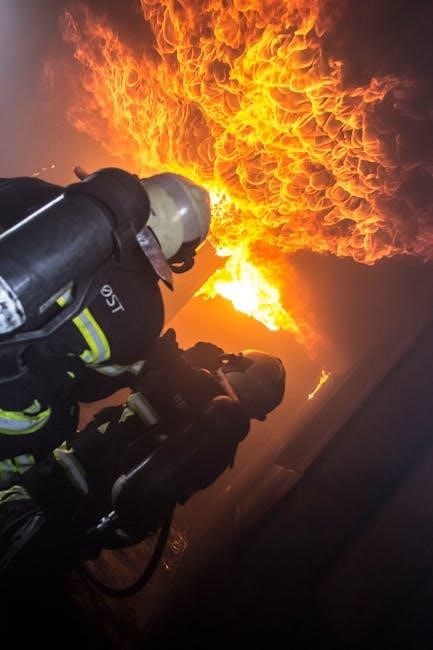
Flash fires are rapid combustion events, posing significant thermal risks to personnel; NFPA 2112 addresses protection against these short-duration, intense bursts of heat․
What is a Flash Fire?
A flash fire represents a sudden and extremely rapid combustion of flammable vapors, gases, or dusts․ These events are characterized by their short duration but incredibly intense heat release, creating a significant thermal hazard․ Unlike a deflagration or detonation, a flash fire doesn’t typically involve a pressure wave, but the radiant and convective heat can cause severe burns and injuries․
Arc flash explosions, a related hazard, can reach temperatures exceeding 35,000°F, though lasting only briefly․ NFPA 2112 specifically focuses on protecting workers from these short-duration thermal exposures common in various industrial environments, emphasizing the need for appropriate flame-resistant (FR) garments․
Thermal Exposure and its Effects on Personnel
Exposure to thermal events, like flash fires, can inflict a range of injuries, from first to fourth-degree burns, depending on the intensity and duration of contact․ Even brief exposure to high temperatures can cause significant pain, blistering, and tissue damage․ Beyond burns, thermal radiation can lead to eye injuries and respiratory distress from inhaling superheated air․
NFPA 2112 addresses these risks by establishing minimum performance criteria for FR garments, aiming to mitigate the severity of burn injuries․ The standard recognizes that appropriate clothing is a critical layer of protection against the rapid heat transfer during a flash fire incident․
Industries at Risk of Flash Fires
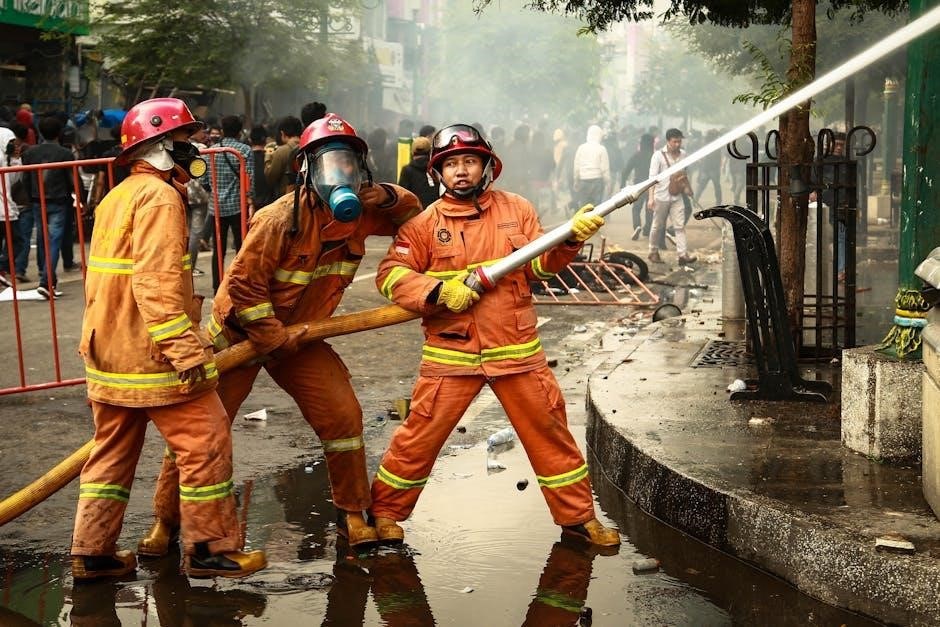
Numerous industries face potential flash fire hazards, necessitating robust safety protocols and appropriate protective gear․ The oil and gas sector, with its handling of flammable liquids and gases, is particularly vulnerable․ Chemical manufacturing plants, power generation facilities, and metalworking operations also present significant risks due to the presence of combustible materials and processes․
NFPA 2112 is crucial for these workplaces, ensuring personnel are equipped with flame-resistant clothing to minimize injury․ Other at-risk industries include utilities, painting and coating applications, and any environment involving potentially explosive atmospheres․
Requirements for Flame-Resistant (FR) Garments
NFPA 2112 dictates minimum performance criteria for FR garments, focusing on fabric selection, garment design, and construction to ensure adequate thermal protection․
Minimum Performance Criteria
NFPA 2112 establishes specific performance benchmarks for flame-resistant garments, ensuring they adequately protect workers from flash fire hazards․ These criteria encompass several key areas, including the total heat transfer, the duration of exposure, and the garment’s ability to self-extinguish․ Garments must meet defined thresholds for thermal protective performance (TPP) or arc thermal performance (ATP) ratings, depending on the anticipated hazard․
The standard details requirements for both the fabric and the overall garment construction, emphasizing the need for consistent and reliable protection․ Meeting these minimums is crucial for compliance and worker safety in industries where flash fires pose a significant risk․
Fabric Selection and Testing

NFPA 2112 dictates stringent fabric selection guidelines, prioritizing materials inherently flame-resistant or treated to achieve the necessary protection levels․ Common FR fabrics include treated cotton, aramids (like Nomex® and Kevlar®), and inherently flame-resistant blends․ Rigorous testing is paramount, employing methods like vertical flammability testing and thermal shrinkage assessment․
These tests determine a fabric’s resistance to ignition, flame spread, and char length․ Furthermore, fabrics undergo evaluation for heat transfer characteristics to ensure they meet the required TPP or ATP ratings․ Proper fabric selection and thorough testing are fundamental to garment performance․
Garment Design and Construction
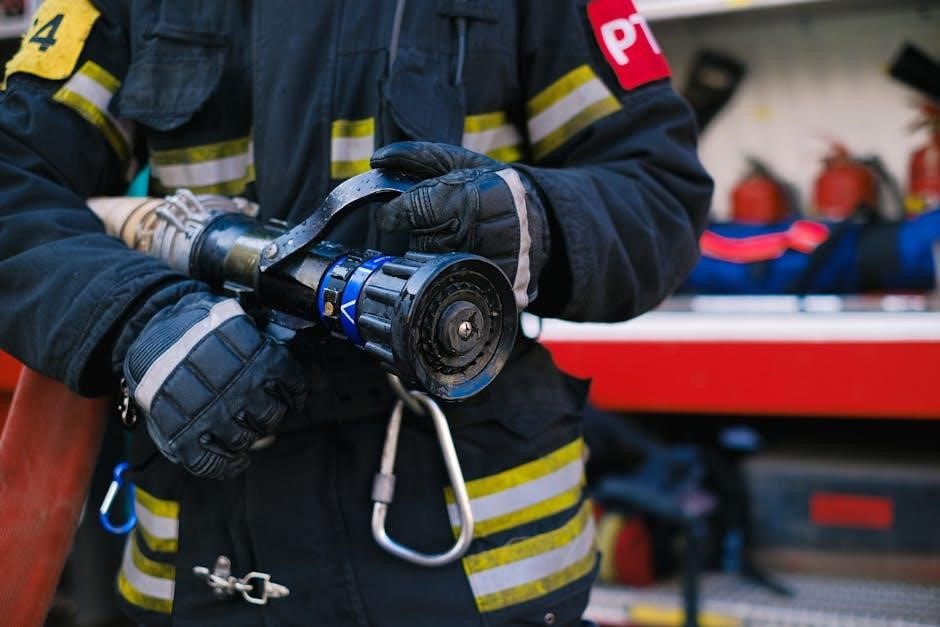
NFPA 2112 emphasizes that garment design significantly impacts FR protection․ Designs must minimize exposed skin and avoid features that could compromise protection during a flash fire․ Seam strength and construction are critical; seams must withstand thermal stress without failing․
Layering considerations are also vital, ensuring compatibility between FR garments and underlayers․ Closures, such as zippers and buttons, must be non-melting and securely fastened․ Proper garment construction, alongside appropriate fabric choices, is essential for meeting the standard’s performance criteria and safeguarding workers․

Evaluation and Certification Process
NFPA 2112 requires rigorous testing of FR garments by accredited labs, followed by certification from independent bodies to verify compliance․
Testing Methods for FR Garments
NFPA 2112 employs specific testing protocols to assess garment performance against flash fire hazards․ These methods include vertical flame testing, determining char length and afterflame time, and arc thermal performance (ATP) testing, measuring heat transfer through the fabric․
Furthermore, garments undergo testing for thermal shrinkage and resistance to melting or dripping․ The standard details precise exposure conditions, specimen preparation, and acceptance criteria․ These tests simulate real-world flash fire scenarios, ensuring the FR clothing provides adequate protection to industrial workers․ Accurate and consistent testing is paramount for certification․
Third-Party Certification Bodies
NFPA 2112 relies on independent, accredited third-party certification bodies to verify FR garment compliance․ These organizations, such as UL Solutions and SGS, conduct rigorous testing and audits of manufacturers’ quality control systems․
Certification confirms that garments meet the standard’s stringent requirements for design, construction, and performance․ Utilizing these bodies ensures objectivity and credibility in the certification process․ Manufacturers submit garments for testing, and successful completion results in a certification mark, providing assurance to employers and employees regarding product safety and reliability․
Labeling Requirements
NFPA 2112 mandates clear and permanent labeling on all certified FR garments․ This labeling must include the manufacturer’s name, garment style number, size, and the standard to which it complies – specifically, NFPA 2112․
Crucially, garments must also display the Arc Thermal Performance (ATP) value, indicating the protective level against thermal hazards․ Care instructions are also required to maintain the garment’s FR properties․ Proper labeling ensures end-users can readily identify certified garments and understand their level of protection, promoting workplace safety and compliance․
Key Elements of NFPA 2112
NFPA 2112 prioritizes Arc Thermal Performance (ATP), heat transfer understanding, and strategic layering of FR clothing for optimal flash fire protection․
Arc Thermal Performance (ATP)
Arc Thermal Performance (ATP) represents the crucial measurement of a fabric’s capacity to resist heat transfer during an arc flash or flash fire event․ It’s expressed in calories per square centimeter (cal/cm²) and indicates the protective level a garment provides․
Higher ATP ratings signify greater protection, allowing personnel more time to react or escape exposure․ NFPA 2112 mandates minimum ATP levels based on potential hazard exposure, ensuring garments adequately shield workers․ Understanding ATP is vital for selecting appropriate FR clothing, mitigating burn injuries, and complying with safety regulations within industrial environments․ Accurate ATP determination relies on standardized testing methods․
Heat Transfer Mechanisms
Heat transfer during a flash fire occurs through three primary mechanisms: conduction, convection, and radiation․ Conduction involves direct heat transfer through material contact, while convection relies on the movement of heated air or gases․
Radiation transmits heat via electromagnetic waves, posing a significant threat even at a distance․ NFPA 2112 addresses all these mechanisms by requiring FR garments to resist heat penetration and minimize burn potential․ Effective FR clothing limits conductive heat transfer, creates a thermal barrier against convection, and reflects radiant heat, safeguarding personnel from severe injuries during thermal incidents․
Layering of FR Clothing
Layering FR clothing is a crucial strategy for maximizing protection, as outlined within NFPA 2112 guidelines․ Multiple layers trap air, creating an insulating barrier that significantly reduces heat transfer to the skin․ This approach enhances protection beyond what a single garment can provide․
The innermost layer should wick away moisture, the middle layer provides insulation, and the outer layer offers thermal resistance․ Proper layering, combined with appropriate Arc Thermal Performance (ATP) ratings, ensures comprehensive safety against flash fire hazards, fulfilling the standard’s requirements for personnel protection in hazardous environments․
Compliance and Implementation
Employers must conduct thorough hazard assessments, provide adequate employee training, and ensure consistent adherence to NFPA 2112 standards for safety․
Employer Responsibilities
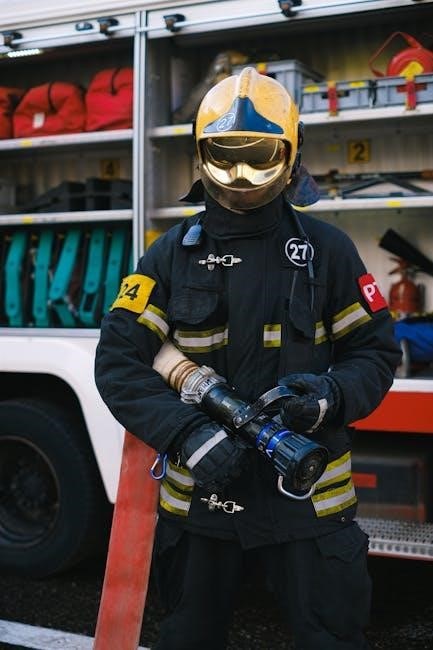
Employers bear the primary responsibility for establishing and maintaining a safe work environment compliant with NFPA 2112․ This includes conducting comprehensive hazard assessments to identify potential flash fire risks within their facilities․ Based on these assessments, employers must select, provide, and ensure the proper use of appropriate flame-resistant (FR) garments for their employees․
Furthermore, a robust program encompassing regular inspections, maintenance, and replacement of FR clothing is essential․ Employers are also obligated to document all aspects of their NFPA 2112 compliance program, including training records and hazard assessment results, demonstrating a commitment to worker safety and adherence to the standard’s requirements․
Employee Training
Effective employee training is a cornerstone of NFPA 2112 compliance․ Workers must receive thorough instruction on recognizing potential flash fire hazards present in their work areas․ This training should cover the proper selection, donning, doffing, inspection, and maintenance of flame-resistant (FR) garments․
Crucially, employees need to understand the limitations of FR clothing and the importance of wearing it correctly for optimal protection․ Training must also emphasize emergency procedures, including evacuation routes and first aid protocols․ Regular refresher courses are vital to reinforce knowledge and ensure continued adherence to safety practices, fostering a culture of safety․
Hazard Assessments
Comprehensive hazard assessments are fundamental to NFPA 2112 implementation․ Employers must meticulously identify potential flash fire risks within the workplace, evaluating the likelihood and severity of thermal exposure․ This involves analyzing work processes, equipment, and environmental factors that could contribute to ignition․
The assessment should determine the required level of protection, informing the selection of appropriate FR garments․ Documentation of these assessments is crucial, alongside periodic reviews to account for changes in processes or equipment․ A thorough understanding of potential hazards is paramount for ensuring worker safety and compliance․
NFPA 2112 vs․ Other FR Standards
NFPA 2112 differs from NFPA 70E, focusing on industrial flash fire protection, while 70E addresses electrical arc flash hazards specifically․
Comparison with NFPA 70E
NFPA 2112 and NFPA 70E are both crucial standards for flame-resistant clothing, yet they address distinct hazards․ NFPA 2112 specifically targets thermal exposure from flash fires common in industries like oil and gas, chemical processing, and manufacturing․ Conversely, NFPA 70E concentrates on protecting workers from electrical arc flash hazards encountered in electrical work environments․
While both standards require FR garments, the performance criteria differ․ NFPA 2112 focuses on total heat exposure and burn performance, while 70E emphasizes arc thermal performance value (ATP) and incident energy levels․ Garments meeting 70E requirements may not automatically comply with 2112, and vice versa, necessitating careful hazard assessment and garment selection based on the specific workplace risks․
Differences from OSHA Regulations
OSHA regulations establish general workplace safety requirements, including provisions for hazard assessment and personal protective equipment (PPE)․ However, OSHA doesn’t specify detailed technical standards for flame-resistant clothing like NFPA 2112 does․ NFPA 2112 provides a consensus-based, in-depth framework for FR garment design, testing, and certification, offering a higher level of specificity․
Employers can demonstrate compliance with OSHA’s PPE requirements by utilizing garments that meet NFPA 2112 standards․ While OSHA mandates hazard assessments, NFPA 2112 guides the selection of appropriate FR clothing based on identified thermal hazards, offering a proactive and detailed approach to worker protection beyond basic regulatory compliance․
Resources and Further Information
Access the official NFPA 2112 document in PDF format via the NFPA website, alongside support and connections to relevant industry associations․
Accessing the NFPA 2112 Document (PDF)
Obtaining the complete NFPA 2112 standard in PDF format is readily achievable through the official National Fire Protection Association (NFPA) website․ Users can purchase the document directly, ensuring access to the most current version and all associated amendments․
The NFPA offers various purchasing options, including single-use access or a full license for ongoing reference․ Prior to purchase, it’s advisable to confirm the document’s revision date to guarantee compliance with the latest requirements․ Digital access allows for convenient searching and portability, making it an invaluable resource for safety professionals and employers․
NFPA Website and Support
The National Fire Protection Association (NFPA) website (www․nfpa․org) serves as a central hub for all things NFPA 2112․ Beyond document access, the site provides extensive resources, including frequently asked questions, training materials, and interpretive guidance․
Dedicated support teams are available to assist with inquiries regarding the standard’s application and compliance․ The NFPA also hosts webinars and workshops, offering opportunities for professional development and networking․ Regularly checking the website ensures access to the latest updates, errata, and interpretations related to NFPA 2112․
Relevant Industry Associations
Several industry associations actively promote and support the implementation of NFPA 2112․ These organizations often provide specialized training, resources, and advocacy related to flame-resistant clothing and workplace safety․
Key associations include those representing the oil and gas, petrochemical, and electrical industries, where flash fire hazards are prevalent․ They frequently collaborate with the NFPA to develop best practices and disseminate information․ Engaging with these groups offers valuable networking opportunities and access to industry-specific expertise regarding NFPA 2112 compliance․