
Schwinn Bike Size Guide: Finding Your Perfect Fit
Navigating Schwinn bicycle sizing ensures optimal comfort and performance, considering various models like cruisers, mountain, road, and hybrid bikes․
Understanding
wheel sizes – 26-inch, 27․5-inch, and 29-inch – alongside frame geometry is crucial for a tailored riding experience․
Schwinn offers universal fit options,
particularly in cruiser models, alongside adjustable features to accommodate diverse riders;
Proper sizing impacts control, efficiency, and overall enjoyment, making this guide essential for selecting your ideal Schwinn bike․
Understanding Schwinn Bike Sizing
Schwinn employs a sizing system that considers frame size, rider height, and inseam length to ensure a comfortable and efficient riding position․ Unlike a one-size-fits-all approach, Schwinn recognizes the diversity in rider physiques and offers a range of sizes for most models․ This is particularly important given the variety of Schwinn bikes available – from classic cruisers designed for relaxed riding to performance-oriented mountain and road bikes․

Historically, Schwinn utilized standards like the 26 x 1 1/4 inch wheel size, common in older 3-speed models, but has adapted to modern standards like 27․5 and 29-inch wheels․ Understanding these wheel sizes is integral to grasping overall bike fit․ Furthermore, Schwinn’s universal fit bikes, especially cruisers, often prioritize adjustability over strict sizing, making them accessible to a wider range of riders․ However, for optimal performance and comfort, utilizing Schwinn’s size charts and taking accurate measurements remains paramount․
Why Bike Size Matters
Selecting the correct bike size profoundly impacts your riding experience, extending beyond mere comfort․ An improperly sized bike can lead to strain, injury, and reduced efficiency․ A frame that’s too large or too small compromises control, making handling difficult and potentially dangerous, especially on varied terrain․ Correct sizing ensures proper leg extension, minimizing knee stress and maximizing power transfer․
Furthermore, a well-fitted bike promotes better posture, reducing back pain and fatigue during longer rides․ Schwinn’s diverse range, from city cruisers to mountain bikes, necessitates accurate sizing as each discipline demands a different riding position․ Even seemingly minor adjustments, informed by inseam and torso length measurements, can significantly improve performance․ Ignoring bike size can negate the benefits of a quality Schwinn, hindering enjoyment and potentially leading to discomfort or injury․
Schwinn’s Approach to Bike Sizing
Schwinn employs a comprehensive approach to bike sizing, recognizing the diversity of riders and their needs․ They utilize a combination of frame size recommendations based on rider height, inseam measurements, and, increasingly, standover height considerations․ Unlike a one-size-fits-all model, Schwinn acknowledges that optimal fit varies depending on bike type – cruisers, hybrids, mountain, and road bikes each have unique geometry․
Notably, Schwinn offers “universal fit” options, particularly within their cruiser line, designed to accommodate a broader range of heights through adjustable seat posts and handlebars․ However, for performance-oriented bikes, precise sizing is paramount․ Schwinn’s size charts provide a starting point, but they also encourage riders to consider individual body proportions and riding style․ They aim to deliver a comfortable and efficient riding experience, prioritizing both accessibility and performance across their product range․
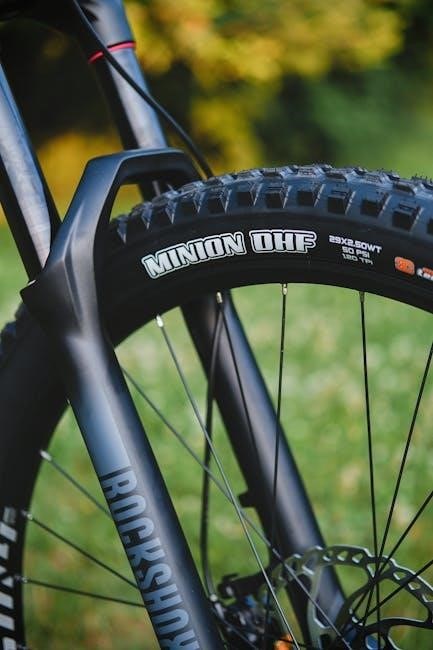
Schwinn Bike Size Charts by Type
Schwinn categorizes sizing by bike style – road, mountain, cruiser, and hybrid – offering specific charts for each․ These charts correlate rider height with recommended frame sizes, ensuring a precise fit․
Schwinn Road Bike Size Guide
Selecting the correct size Schwinn road bike is paramount for efficiency and comfort during longer rides and faster paces․ Road bike sizing typically focuses on frame size, measured in centimeters or inches, and is closely linked to the rider’s height․ Schwinn’s road bike size charts generally provide a range of heights corresponding to each frame size․
For instance, a rider between 5’8” and 5’10” might be recommended a 54cm frame, while someone between 5’10” and 6’0” could fit a 56cm or 58cm frame․ It’s crucial to remember these are starting points; individual body proportions, such as inseam and torso length, can influence the ideal size․
Consider that Schwinn road bikes, like many others, often utilize a standardized sizing system․ Always consult the specific size chart for the particular Schwinn road bike model you are considering, as slight variations can exist․ A professional bike fit is highly recommended to fine-tune the fit and ensure optimal performance and prevent discomfort or injury․
Schwinn Mountain Bike Size Guide
Determining the appropriate size for a Schwinn mountain bike is vital for control and confidence on varied terrain․ Unlike road bikes, mountain bike sizing often prioritizes standover height – the clearance between the top tube and the rider’s crotch – alongside frame size․ Schwinn’s mountain bike size charts typically correlate rider height with frame sizes, often expressed in inches (e․g․, 15”, 17”, 19”)․
A rider around 5’6” might comfortably fit a 15” frame, while someone 5’10” could require a 17” or 19” frame․ However, standover height is crucial; ensure sufficient clearance for maneuvering and dismounting quickly․ Consider your riding style – more aggressive riders might prefer a slightly smaller frame for increased agility․
Schwinn mountain bikes, similar to other brands, may employ varying sizing conventions․ Always refer to the specific size chart for the model you’re interested in․ A professional bike fit is invaluable for optimizing the fit, enhancing performance, and minimizing the risk of injury on challenging trails․
Schwinn Cruiser Bike Size Guide
Schwinn cruiser bikes are renowned for their comfortable, relaxed riding position, and sizing reflects this focus․ Many Schwinn cruisers, particularly those marketed as “single-size” or “universal fit,” are designed to accommodate a broad range of rider heights․ This is achieved through adjustable seat posts and handlebars, allowing for customization․
However, even within the single-size category, a general height guideline is helpful․ Typically, a single-size cruiser will comfortably fit riders between approximately 5’2” and 6’0”․ Taller or shorter individuals may find the riding position less optimal, though adjustments can mitigate some issues․
For Schwinn cruisers with defined frame sizes, consult the specific size chart․ Inseam measurement remains a useful tool․ Prioritize a comfortable reach to the handlebars and pedals․ The relaxed geometry of a cruiser prioritizes comfort over aggressive performance, so a slightly less precise fit is often acceptable․
Schwinn Hybrid Bike Size Guide
Schwinn hybrid bikes blend features of road and mountain bikes, demanding a more precise fit than cruisers․ Sizing typically relies on frame size, often measured in inches or centimeters, corresponding to rider height․ Unlike universal-fit cruisers, hybrid bikes generally offer multiple frame sizes to cater to a wider range of body types․
A rider’s height is the primary factor, but inseam measurement is also crucial for determining standover height and ensuring proper leg extension․ Schwinn’s hybrid bike size charts will correlate height with recommended frame size․ Consider torso length for optimal reach to the handlebars, preventing strain․
Hybrid bikes are designed for versatility, so a comfortable yet efficient riding position is key; If between sizes, consider your riding style – a smaller frame for more upright comfort, or a larger frame for a more aggressive, performance-oriented posture․ Always test ride if possible!
Schwinn Kids Bike Size Guide
Selecting the right Schwinn bike for a child prioritizes safety and confidence․ Unlike adult sizing based on height alone, kids’ bike sizes are primarily determined by inseam length and age range․ Schwinn kids’ bikes typically range from 12-inch to 24-inch wheel sizes, corresponding to different developmental stages․

A proper fit ensures the child can comfortably reach the pedals and handlebars without overextending or feeling cramped․ Standover height is particularly important – the child should be able to stand over the bike with both feet flat on the ground and have at least 1-2 inches of clearance․
Schwinn offers size charts correlating age, height, and inseam to recommended wheel size․ Consider the child’s current and anticipated growth; a slightly larger bike allows for some growth, but shouldn’t be so large it’s unmanageable․ Prioritize a bike they can control easily!

Measuring Yourself for a Schwinn Bike
Accurate measurements – standover height, inseam, and torso length – are vital for determining your ideal Schwinn bike size, ensuring a comfortable and efficient ride․
Standover Height Measurement
Determining your standover height is a fundamental step in finding the right Schwinn bike size․ This measurement ensures you have sufficient clearance between the top tube of the bike and your body when standing over it․ To measure, wear shoes you’d typically wear while cycling․ Stand with your feet flat on the ground, straddling the bike’s top tube․
There should be at least 1-2 inches (2․5-5 cm) of clearance between the top tube and your crotch for a standard road or mountain bike․ Cruiser bikes often require less standover height due to their frame geometry․ Incorrect standover height can lead to discomfort or even injury during sudden stops or dismounts․ Accurately measuring this dimension is crucial for selecting a safe and comfortable Schwinn bicycle that fits your body proportions perfectly, enhancing your overall riding experience․
Inseam Measurement
Accurately measuring your inseam is vital for determining the appropriate Schwinn bike frame size․ This measurement, taken from your crotch to the floor, directly correlates to the seat height and overall bike fit․ Stand with your back against a wall, wearing cycling shoes․ Place a book between your legs, mimicking a saddle, and push it firmly against your crotch․
Measure from the top of the book to the floor – this is your inseam․ Schwinn size charts utilize inseam measurements to recommend suitable frame sizes for different bike types․ A correct inseam measurement ensures proper leg extension during pedaling, maximizing efficiency and minimizing strain․ Incorrect sizing can lead to knee pain or discomfort․ Utilizing your inseam, alongside standover height and torso length, provides a comprehensive understanding of your ideal Schwinn bike fit, guaranteeing a comfortable and enjoyable ride․
Torso Length Measurement
Determining your torso length is a crucial, yet often overlooked, step in achieving a perfect Schwinn bike fit, particularly for road and hybrid models․ This measurement influences the reach to the handlebars and overall riding posture․ Stand with your back against a wall, shoulders relaxed․ Have someone measure from the bony prominence at the base of your neck (C7 vertebra) to your pubic bone․
Ensure the measuring tape follows the natural curve of your spine․ Schwinn utilizes torso length, in conjunction with inseam and height, to refine bike size recommendations․ A proper torso length measurement ensures comfortable reach, preventing strain on your back and shoulders․ Incorrect reach can lead to discomfort and reduced control․ Combining this measurement with inseam and height provides a holistic view of your body proportions, allowing for a precise Schwinn bike selection and a more enjoyable cycling experience․

Schwinn Size Charts & Rider Height
Schwinn provides detailed size charts correlating rider height with appropriate frame sizes for men, women, and children, ensuring a comfortable and efficient ride․
Schwinn Size Chart for Men
Determining the correct Schwinn bike size for men involves considering both height and inseam measurements․ Generally, riders between 5’4” and 5’8” often find a comfortable fit with a 17-inch frame, while those ranging from 5’8” to 6’0” typically suit a 19-inch frame․ For men exceeding 6’0” in height, a 21-inch or larger frame is usually recommended to ensure adequate legroom and a comfortable riding posture․
However, these are merely guidelines; individual body proportions can influence the ideal size․ A crucial factor is inseam length․ Measure your inseam while wearing shoes you’d typically cycle in․ This measurement, combined with your height, provides a more precise indication of the appropriate frame size․ Schwinn’s charts often cross-reference these two measurements to offer a tailored recommendation․ Remember that a slightly smaller frame can promote more agile handling, while a larger frame offers greater stability, particularly at higher speeds․
Schwinn Size Chart for Women
Schwinn’s sizing charts for women acknowledge differences in body proportions compared to men, often recommending slightly smaller frame sizes for equivalent heights․ Women between 5’2” and 5’6” generally find a 15-inch frame suitable, while those between 5’6” and 5’10” often fit comfortably on a 17-inch frame․ Riders exceeding 5’10” may require an 19-inch frame or larger, depending on their inseam․
Inseam measurement remains critical for women as well․ A shorter inseam often necessitates a smaller frame, regardless of height․ Schwinn emphasizes that women may prefer frames with a lower standover height for increased confidence and ease of mounting and dismounting․ Consider the type of riding you intend to do; more aggressive riding styles might benefit from a slightly larger frame for better leverage, while leisurely cruising favors a more relaxed, upright position facilitated by a smaller frame․ Always prioritize comfort and control․
Schwinn Size Chart for Kids
Schwinn offers a comprehensive range of bikes specifically designed for children, categorized by wheel size and rider height․ For kids between 3’6” and 4’2”, a 12-inch wheel bike is typically recommended, focusing on building balance and coordination․ Children growing between 4’2” and 4’8” usually transition to a 16-inch wheel bike, offering increased stability and control․
As kids reach heights of 4’8” to 5’2”, a 20-inch wheel bike becomes appropriate, often featuring gears for varied terrain․ Beyond 5’2”, 24-inch wheel bikes provide a smoother ride and more advanced features․ Schwinn prioritizes safety, emphasizing proper helmet fit alongside correct bike sizing․ Standover height is particularly crucial for children, ensuring they can comfortably straddle the bike with both feet flat on the ground․ Regular checks are vital as children grow rapidly․

Schwinn Wheel Sizes & Frame Geometry
Schwinn utilizes 26-inch, 27․5-inch, and 29-inch wheel sizes, impacting handling and ride characteristics; frame geometry influences fit and stability, optimizing performance for diverse riding styles․
26-inch Wheel Size (and 26 x 1 1/4)
The 26-inch wheel size, historically significant in Schwinn’s lineup, particularly on classic 3-speed bicycles, remains relevant for certain models today․ Notably, the 26 x 1 1/4 inch size was commonly adopted by Schwinn for bikes utilizing a 1 3/8-inch wide tire, aligning with standards used in club bicycles of the era․ This size offers a balance between maneuverability and rolling efficiency, making it suitable for urban commuting and recreational riding․
While larger wheel sizes have gained prominence in modern mountain biking, the 26-inch wheel continues to provide a comfortable and responsive ride for many cyclists․ It’s often found on cruiser bikes and some entry-level mountain bikes, offering a more affordable and accessible option․ Understanding this wheel size’s historical context and current applications is key when selecting a Schwinn bike that matches your riding needs and preferences․ It’s a versatile choice for various terrains and riding styles․
27․5-inch Wheel Size
The 27․5-inch wheel size, also known as 650b, represents a middle ground between the traditional 26-inch and the increasingly popular 29-inch wheels․ Schwinn utilizes this size on select mountain bike models, offering a compelling blend of agility and rolling efficiency․ Compared to 29-inch wheels, 27․5-inch wheels provide quicker acceleration and enhanced maneuverability, making them ideal for tighter trails and more technical terrain․
Riders often find the 27․5-inch wheel size particularly well-suited for smaller frame sizes, as it maintains a comfortable riding position and responsive handling․ It strikes a balance between overcoming obstacles and maintaining control, appealing to a wide range of mountain biking skill levels․ When considering a Schwinn mountain bike, evaluating whether the 27;5-inch wheel size aligns with your riding style and terrain preferences is crucial for maximizing performance and enjoyment on the trails․
29-inch Wheel Size
Schwinn increasingly incorporates 29-inch wheels into its mountain bike lineup, recognizing their advantages for covering ground efficiently and rolling over obstacles with greater ease․ These larger wheels maintain momentum better than smaller sizes, reducing the effort needed to sustain speed on varied terrain․ The increased wheel diameter effectively smooths out bumps and ruts, enhancing rider comfort and control, particularly on rough trails․
While 29-inch wheels offer superior rollover capability, they can sometimes feel less nimble than 27․5-inch wheels, especially in tight corners․ However, advancements in frame geometry and tire technology have minimized this difference․ Riders prioritizing speed, stability, and the ability to navigate challenging obstacles often prefer 29-inch wheels․ When selecting a Schwinn mountain bike, consider your typical riding conditions and whether the benefits of 29-inch wheels align with your preferences․

Schwinn Universal Fit Bikes
Schwinn offers bikes designed for a wider range of riders, like single-size cruisers, prioritizing comfort and simplicity․ Adjustable components enhance the fit, maximizing accessibility for various heights․
Single-Size Cruiser Bikes
Schwinn’s single-size cruiser bikes represent a unique approach to bicycle fitting, designed to accommodate a broad spectrum of rider heights․ These cruisers aren’t rigidly defined by traditional frame sizes; instead, they prioritize adjustability to comfortably fit many adults․ This makes them an excellent choice for families where multiple individuals might share a bike, or for those unsure about precise sizing․
Typically, a single-size cruiser is engineered to comfortably fit riders ranging from approximately 5’ to 6’ tall․ This is achieved through features like adjustable seat posts and handlebars, allowing riders to customize the bike’s reach and height․ The geometry of the frame itself is also designed to be forgiving, promoting a relaxed and upright riding posture suitable for leisurely cruising․
These bikes are particularly popular for recreational riding along boardwalks, bike paths, or quiet neighborhood streets․ While not ideal for competitive cycling or long-distance touring, they excel at providing a comfortable and enjoyable riding experience for a wide range of individuals without the complexities of traditional bike sizing․
Adjustability Features on Schwinn Bikes
Schwinn incorporates several key adjustability features across its bike lines, enhancing rider comfort and ensuring a proper fit․ The seat post is a primary adjustment point, allowing riders to raise or lower the saddle to achieve optimal leg extension․ Handlebar height and reach are also frequently adjustable, catering to different torso lengths and preferred riding positions․
Many Schwinn models feature adjustable stems, enabling fine-tuning of handlebar positioning․ Some bikes include adjustable brake levers, accommodating varying hand sizes and preferences․ Cruiser bikes, in particular, often prioritize adjustability with wider saddle ranges and easily manipulated handlebar positions․
These features are crucial for riders who fall between traditional frame sizes or prefer a customized fit․ Properly adjusted bikes improve pedaling efficiency, reduce strain, and enhance overall control․ Schwinn’s commitment to adjustability ensures a more comfortable and enjoyable riding experience for a diverse range of cyclists․

What to Do If You’re Between Sizes
When facing a size dilemma, consider your riding style; a smaller frame offers agility, while a larger one provides stability and comfort for longer distances․
Choosing the Smaller Size
Opting for the smaller frame size within your range generally prioritizes maneuverability and responsiveness, making it an excellent choice for riders who favor quick handling and agile turns․ This is particularly beneficial for mountain biking, where navigating technical trails demands precise control and a more compact riding position․ A smaller bike allows for easier weight shifting and a lower center of gravity, enhancing stability on challenging terrain․
However, be mindful of potential drawbacks․ A frame that’s too small can lead to a cramped riding posture, causing discomfort during longer rides․ Your knees might feel excessively bent, and your reach to the handlebars could be strained․ It’s crucial to ensure sufficient standover clearance – you should be able to comfortably stand over the top tube with a few inches of space․ If you’re unsure, a professional bike fit is highly recommended to confirm the smaller size doesn’t compromise your comfort or efficiency․
Choosing the Larger Size
Selecting a larger frame size typically provides a more relaxed and comfortable riding position, ideal for endurance rides and long distances․ This configuration stretches your body out, reducing strain on your back and shoulders․ A larger bike often offers greater stability at higher speeds, making it suitable for road cycling and touring․ The extended reach to the handlebars allows for a more aerodynamic posture, enhancing efficiency on flat terrain․
However, a frame that’s too large can hinder maneuverability and make it difficult to control the bike, especially in tight spaces or on technical trails․ You might find yourself overreaching for the handlebars, leading to fatigue and discomfort․ Ensure you maintain adequate standover clearance; a lack of clearance can be dangerous․ If you’re between sizes, consider your riding style and prioritize comfort․ A professional bike fit can help determine if the larger size provides a better overall fit without compromising control․